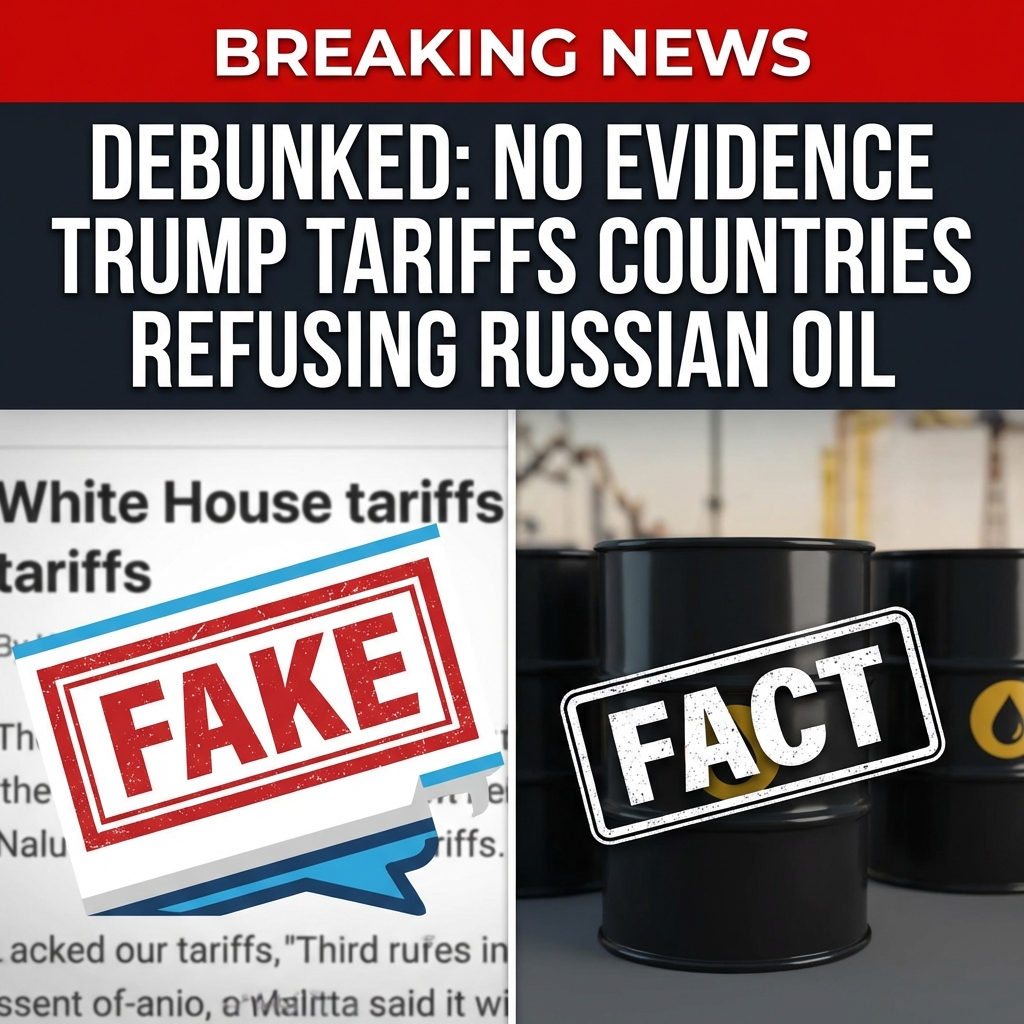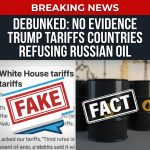


Claiming to “counter a Hormuz blockade”, a circulated headline that President Trump has imposed 25% tariffs on countries that refuse to buy Russian oil is unsupported by reporting. In reality, the Trump administration has used tariffs to punish countries buying Russian or Venezuelan oil: an executive order on March 24, 2025 levied a 25% tariff on countries importing Venezuelan crude, and in 2025–2026 Mr. Trump threatened and imposed additional tariffs targeting countries (notably India) over Russian oil purchases. On February 2, 2026 the White House announced a trade understanding with India tied to reducing Russian oil imports and tariff changes. Sources: (whitehouse.gov)
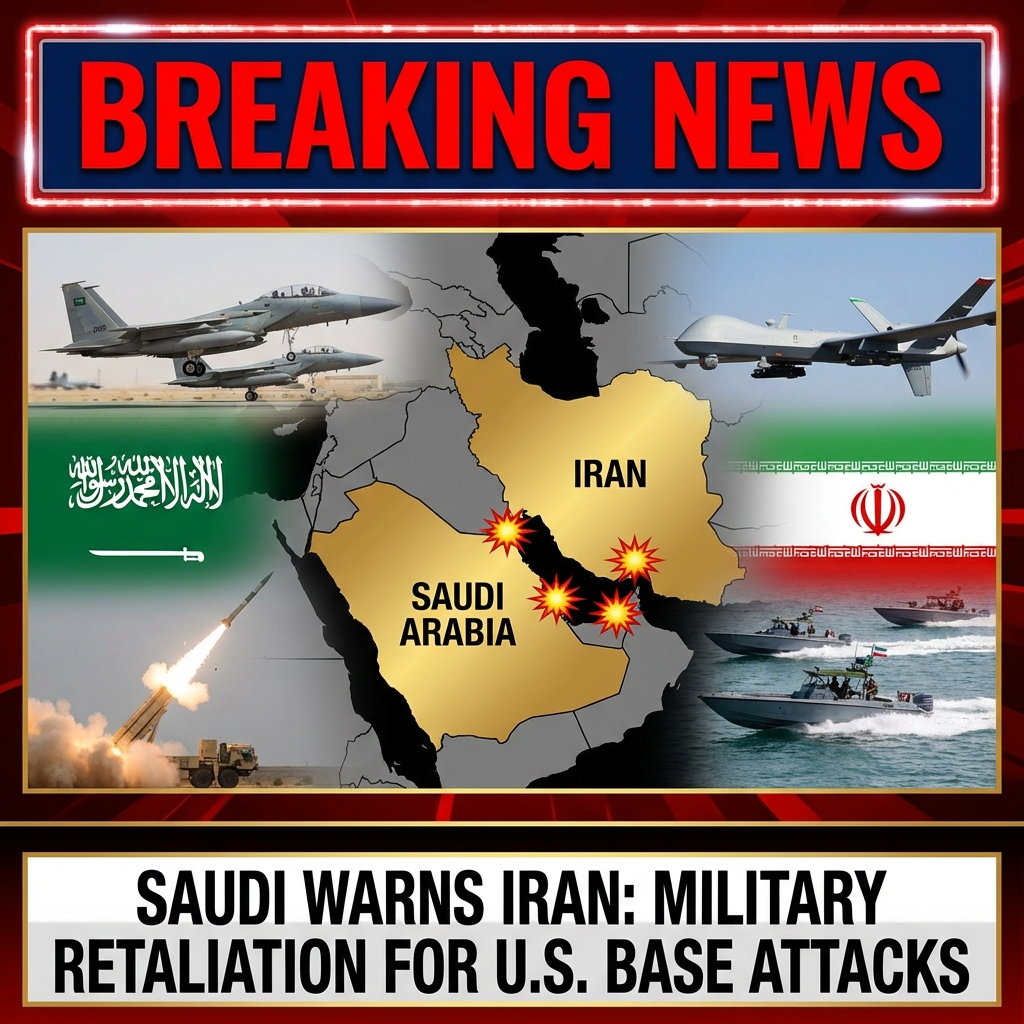
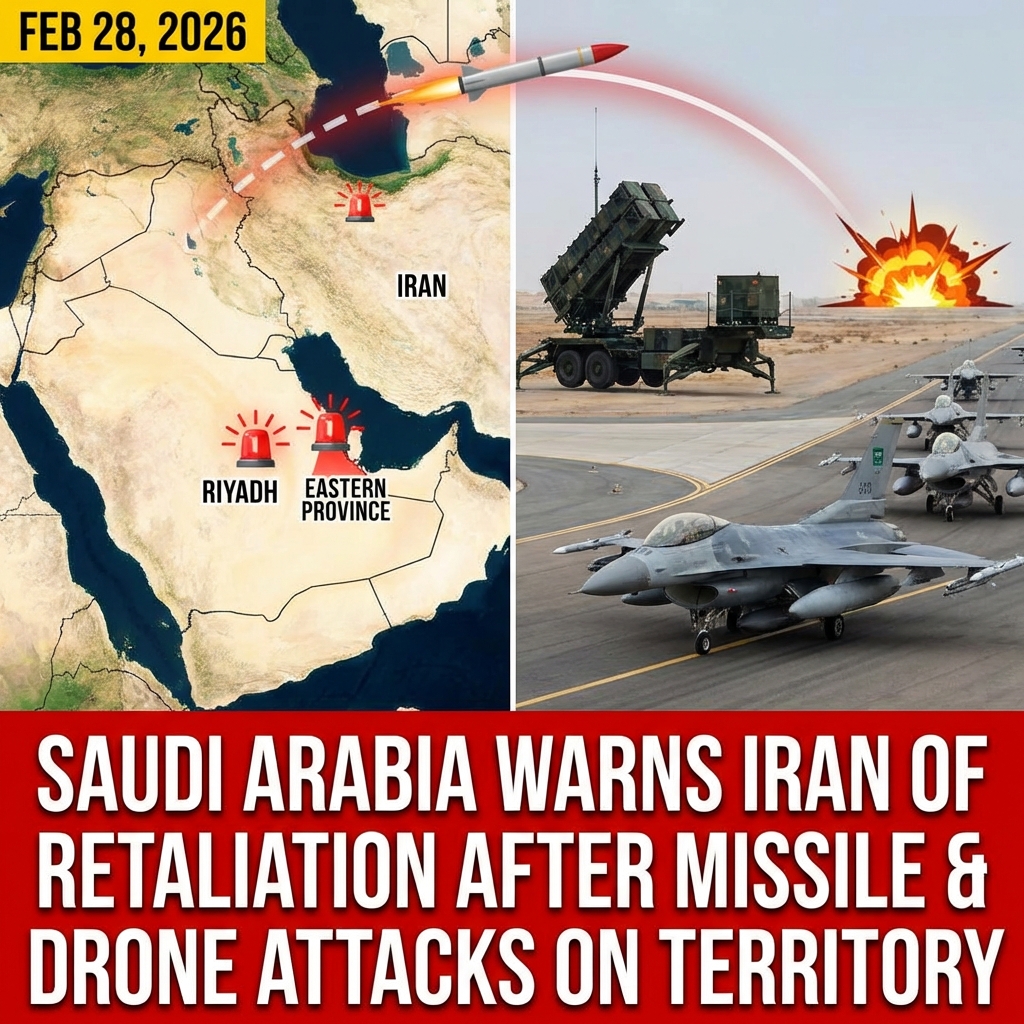
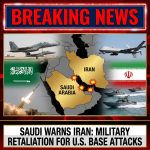
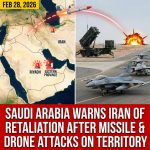
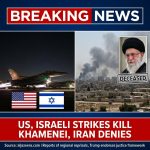
On February 28, 2026, Saudi Arabia warned it will retaliate militarily against Iran if attacks on U.S. bases on Saudi soil continue. Riyadh condemned Iranian missile and drone strikes that hit parts of the Gulf, including strikes aimed at U.S. assets hosted by Gulf states, saying the assaults on Riyadh and the Eastern Province were repelled. The Foreign Ministry pledged to defend Saudi territory and citizens, reserving the right to use all necessary measures, including military response. The announcement underscores escalating regional tensions after U.S. and Israeli strikes on Iranian targets and raises fears of broader conflict and civilian harm. (today.lorientlejour.com)
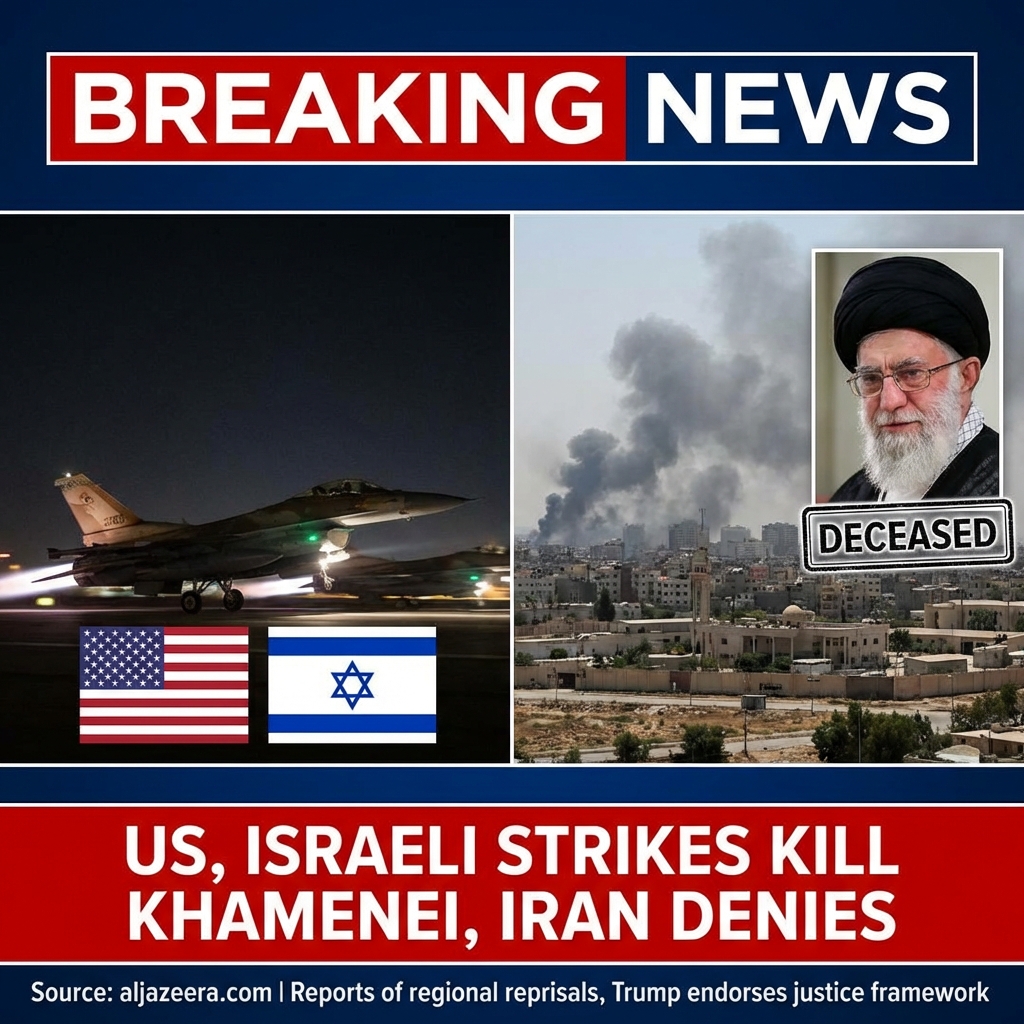
On February 28, 2026, Saudi Arabia warned it would retaliate against Iran if strikes on U.S. bases on its territory continue, after reporting and repelling missile and drone attacks that struck Riyadh and the Eastern Province. (english.aawsat.com) Riyadh condemned the assaults as a “blatant and cowardly” violation of sovereignty and said it would take all necessary measures, including responding to aggression, to defend its people and territory. The warning came amid a wider exchange: U.S. and Israeli strikes on Iran prompted Tehran to launch missiles at U.S. bases across the Gulf, hitting facilities in Qatar, Kuwait, the UAE, Bahrain and Jordan. (cbsnews.com)