









My WordPress Blog
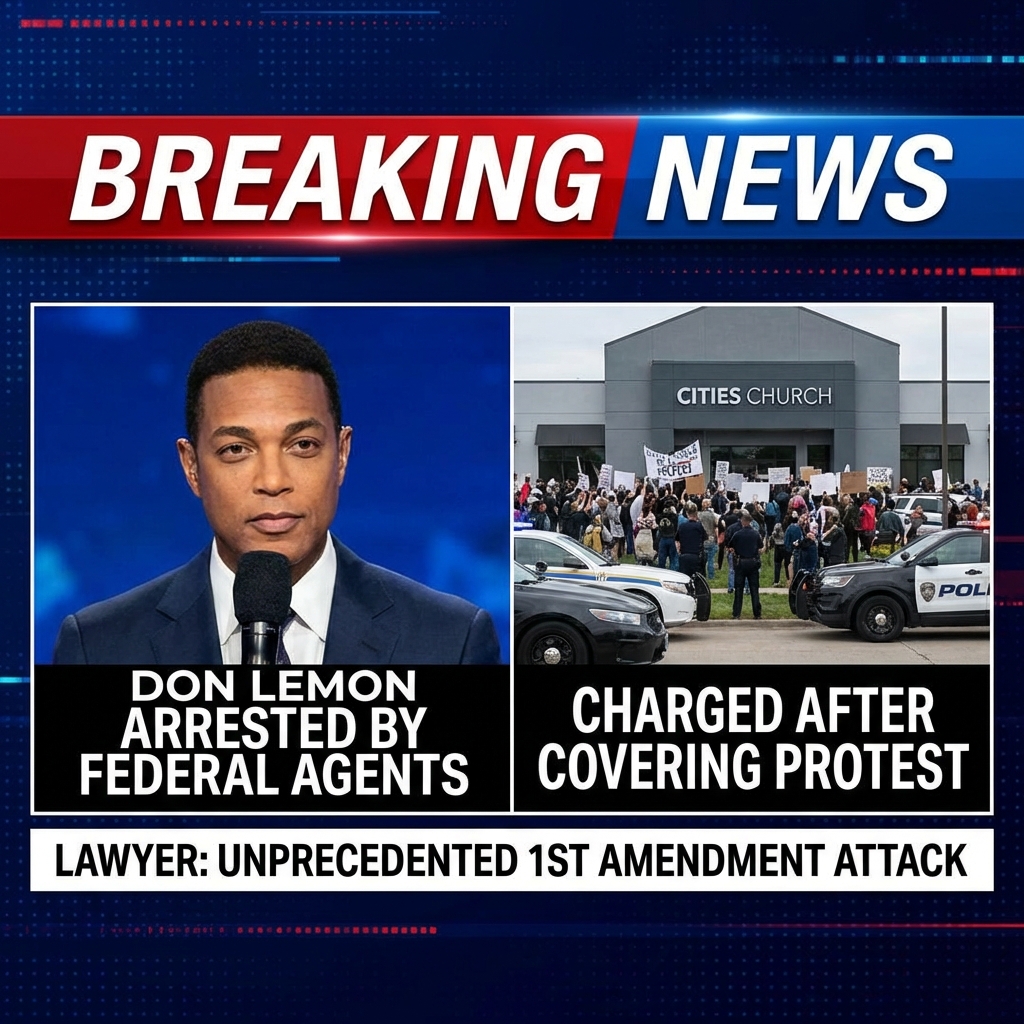
Former CNN host turned independent journalist Don Lemon was arrested on Jan. 29, 2026, by federal agents after covering a Jan. 18 protest that disrupted a service at Cities Church in St. Paul, Minnesota, targeting a pastor who worked for ICE. Federal prosecutors charged Lemon with civil‑rights offenses, including conspiracy and violations of the FACE Act; three others — Georgia Fort, Trahern Jeen Crews and Jamael Lydell Lundy — were also arrested. Lemon says he was reporting; his attorney Abbe Lowell called the arrests an unprecedented First Amendment attack. The Justice Department and Attorney General Pam Bondi confirmed the actions. (washingtonpost.com)
Aerial footage shows a massive anti ICE protest across Minneapolis and Minnesota, part of a Day of Truth and Freedom on January 23, 2026. (theguardian.com) Demonstrators, including labor and faith leaders, staged a blackout and rallied at MSP Airport and the Whipple Federal Building after recent federal immigration operations and fatal encounters that inflamed the community. (theguardian.com) Clergy arrests were reported at the airport; Hennepin County deputies issued dispersal orders at Whipple after protesters blocked an access road and reportedly threw ice at vehicles. (fox9.com) Authorities made arrests and the National Guard and federal agencies were mobilized as investigations and legal challenges continue. (apnews.com)
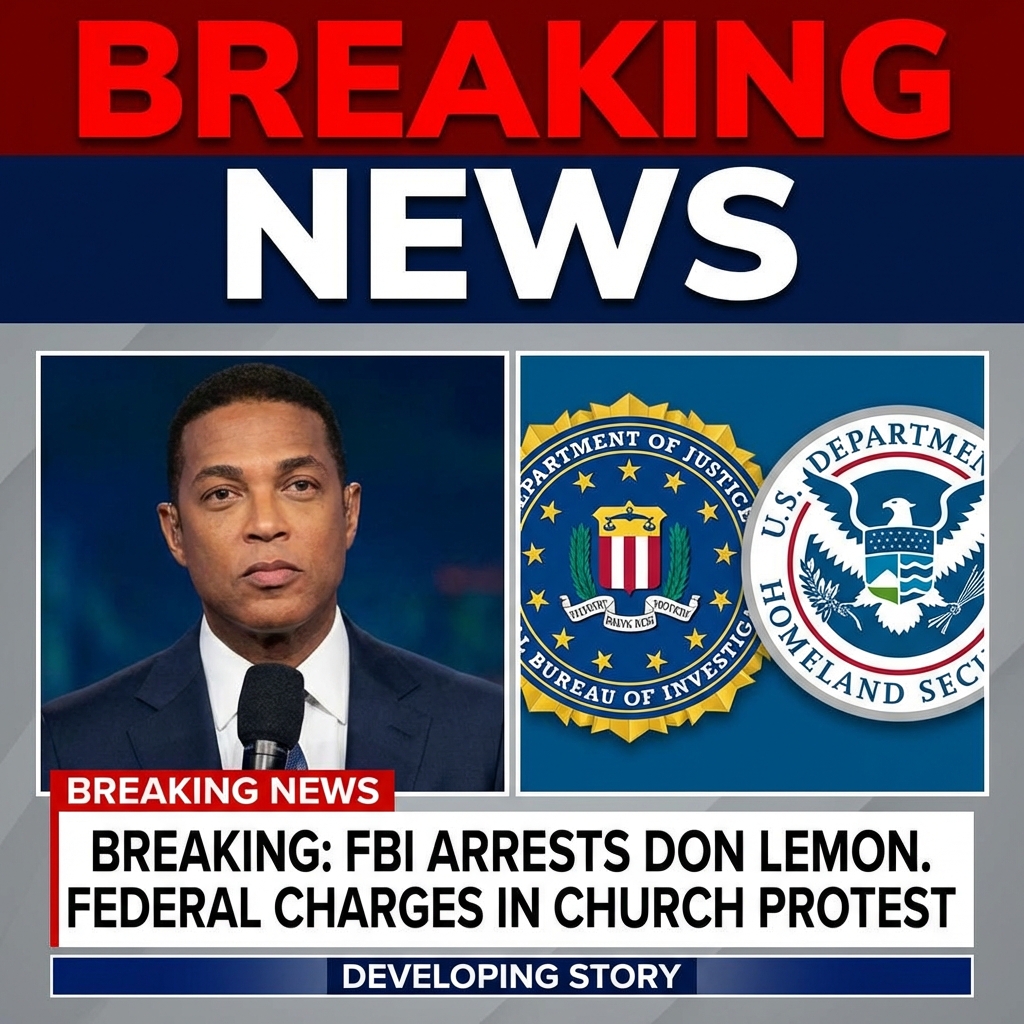
FBI Director Kash Patel announced FBI and Homeland Security agents arrested CNN anchor Don Lemon in Los Angeles and three others over a January 18 protest that disrupted a service at Cities Church in St. Paul, Minnesota. Attorney General Pam Bondi said the arrests were made “in connection with the coordinated attack” on the church. Prosecutors allege the group interfered with worship and have pursued federal civil‑rights charges; Lemon says he was reporting as a journalist and his lawyer defends his First Amendment rights. The other arrestees are Georgia Fort, Trahern Jeen Crews and Jamael Lydell Lundy; case is developing. (mediaite.com)
Treasury Secretary Scott Bessent slammed California Governor Gavin Newsom at the World Economic Forum in Davos on January 21, 2026, calling him “Patrick Bateman meets Sparkle Beach Ken.” (mediaite.com) He labeled Newsom “economically illiterate,” blamed California’s outward migration, budget shortfalls and homelessness, and quipped the governor had a “brain the size of a walnut.” (foxnews.com) Bessent warned Newsom’s suggestion to withhold federal tax payments would amount to criminal tax evasion and cautioned payroll officials about personal liability. (newsweek.com) The clash, sparked by Newsom’s earlier online jabs and a kneepad stunt in Davos, escalates tensions between the governor and the Treasury and national politics. (mediaite.com)
On January 30, 2026, Deputy Attorney General Todd Blanche announced the Justice Department released more than 3 million pages of Jeffrey Epstein investigative records, along with over 2,000 videos and roughly 180,000 images, to the public under the Epstein Files Transparency Act. The materials, posted to the DOJ website, were reviewed and heavily redacted to protect alleged victims and sensitive ongoing investigations; certain categories—child pornography, medical and personal records, and things that might jeopardize probes—were withheld. Blanche said Congress will receive a report on redaction decisions. The disclosure follows earlier partial releases and intense public and congressional pressure. (washingtonpost.com)
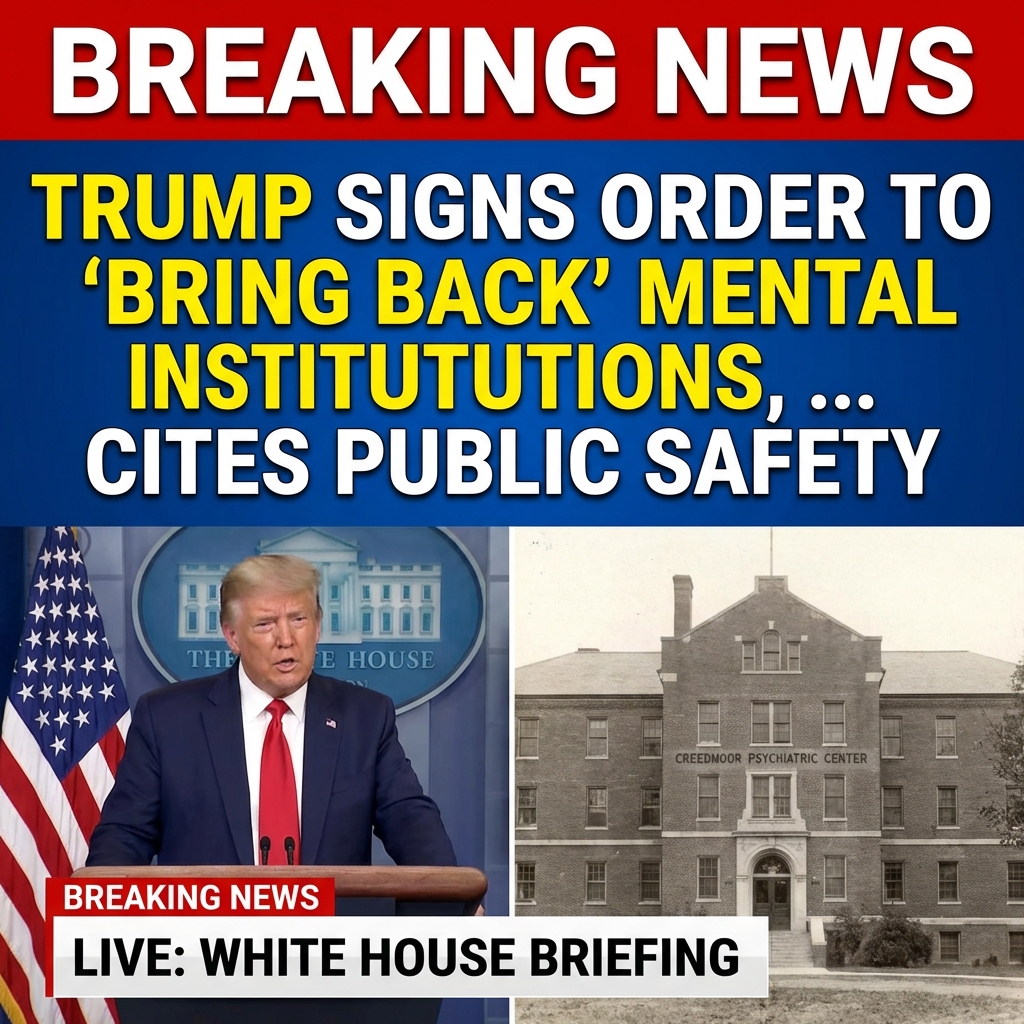
President Trump announced he signed an executive order to “bring back mental institutions and insane asylums,” saying, “Hate to build those suckers but you’ve got to get the people off the streets,” during a White House press briefing marking his first year back in office. (theguardian.com) He invoked Creedmoor in Queens as an example of past institutional care. (breitbart.com) The order reportedly emphasizes expanded civil‑commitment tools and directs agencies to pursue involuntary treatment options. (thunderreport.org) Advocates and legal experts warned of civil‑rights risks and feasibility concerns, while supporters argued renewed inpatient care could help address public‑safety and homelessness. (nwpb.org)